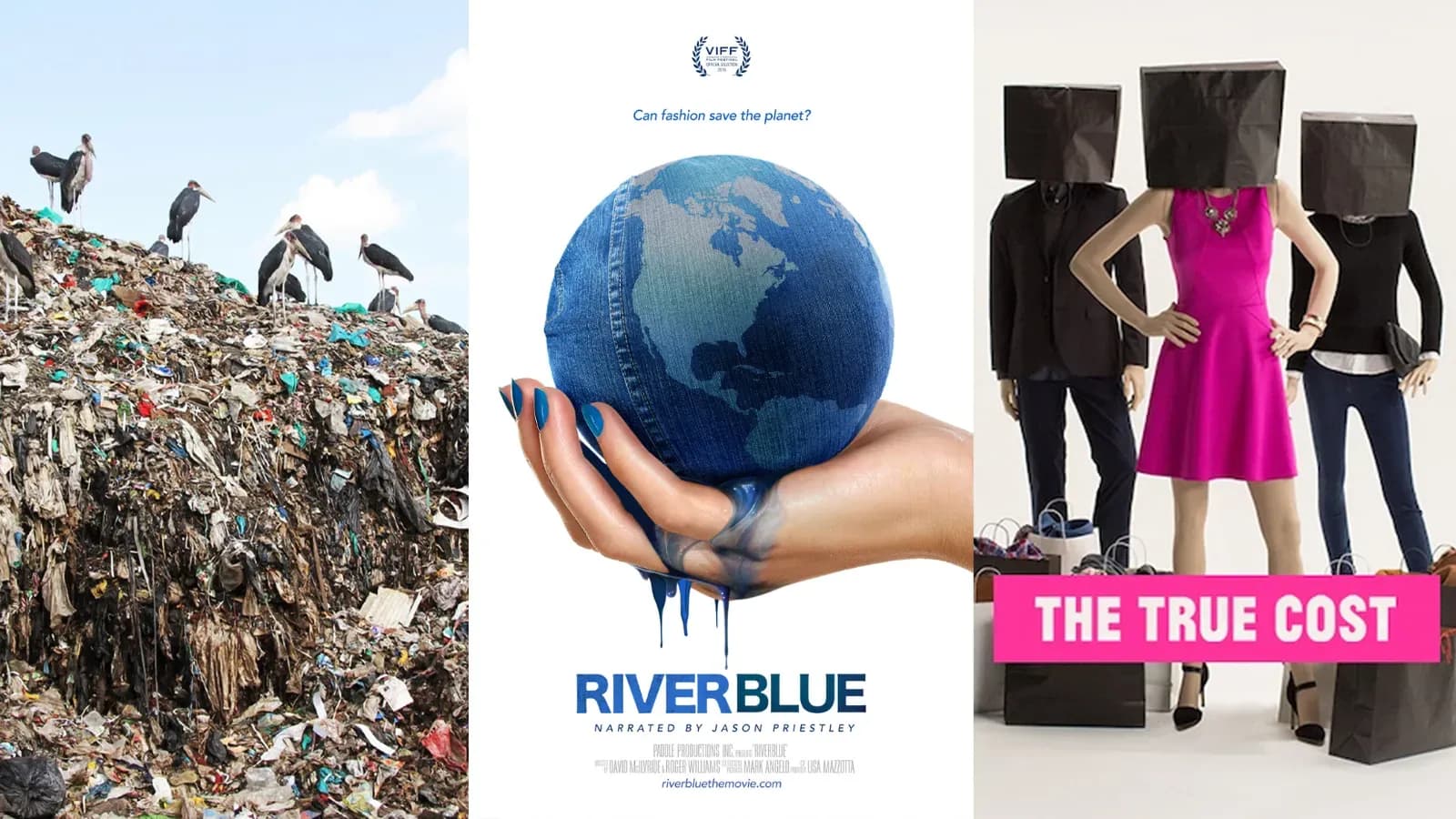
The urban waste crisis can be solved if we begin with proper waste segregation at the source. However, many individuals and organizations still ask: What exactly qualifies as textile waste? Which items can be sold, which must be discarded, and how do we categorize them correctly?
Just like other waste types, "fabric" is composed of diverse fibers. To recycle textile waste or old uniforms with maximum efficiency, we must first understand the four primary fiber types:
1. 100% Natural Cotton
Commonly found in standard t-shirts. As a natural fiber, it is excellent for shredding and fluffing to be spun into new yarn. It offers a soft touch and high breathability.
2. Polyester
A synthetic fiber derived from plastic. Known for its high durability and quick-drying properties, it is frequently used in sportswear and jackets. It can be recycled and blended with other fibers to enhance strength.
3. Blended Fabrics (Poly-Cotton / TC / CVC)
The most popular choice for corporate uniforms and polo shirts. These blend the softness of cotton with the durability of polyester. This category is highly recyclable through standardized industrial technologies.
4. High-Elasticity Fabrics (Spandex / Elastane)
Commonly found in swimwear, activewear, and leggings. If the elasticity ratio is too high, these fabrics are more challenging to process through mechanical recycling compared to other types.
💡 Sorting Tips: The CIRCULAR SOLUTION Way
The secret to the most eco-friendly fabric recycling is "Color Sorting" before shredding. At CIRCULAR SOLUTION, we utilize an innovative manufacturing process that eliminates the need for re-dyeing. By sorting textile waste by color from the start, we save 100% of the water and chemicals that would otherwise be released into the environment.
Recycled Fabrics: Transforming Waste into Value
Textile recycling is no longer limited to rags or sofa stuffing. Today’s innovations elevate textile waste into beautiful, durable products that perfectly align with corporate ESG policies (Closed-loop Recycling). Examples include:
New Apparel & Uniforms: Recycled yarn is woven into stylish t-shirts, polos, or button-downs, allowing employees to wear uniforms born from their own old clothing.
Canvas Totes: Textile waste can be woven into thick, durable canvas, ideal for premium branded tote bags.
Lifestyle Merchandise: Waste can be repurposed into various eco-friendly items such as caps, aprons for cafes, laptop sleeves, pillowcases, or cosmetic bags.
Turning Recycled Waste into Products
Proper sorting creates diverse, value-added products (Upcycling & Recycling):
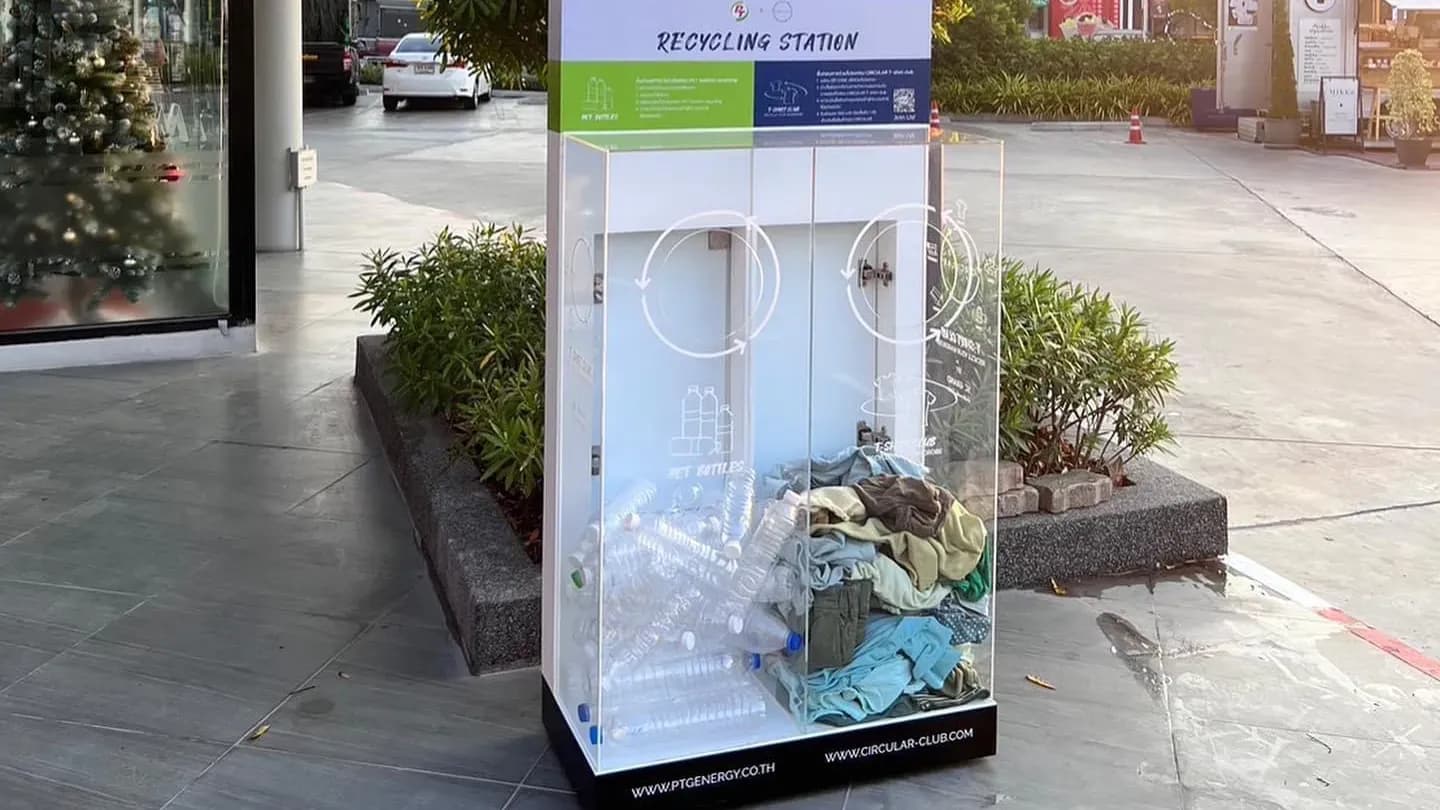
PET Plastic Bottles: Melted and extruded into polyester fibers for bags, shoes, or clothing blends.
UHT Cartons: Separated into layers of paper, plastic, and foil to create eco-friendly roofing sheets (Eco-boards).
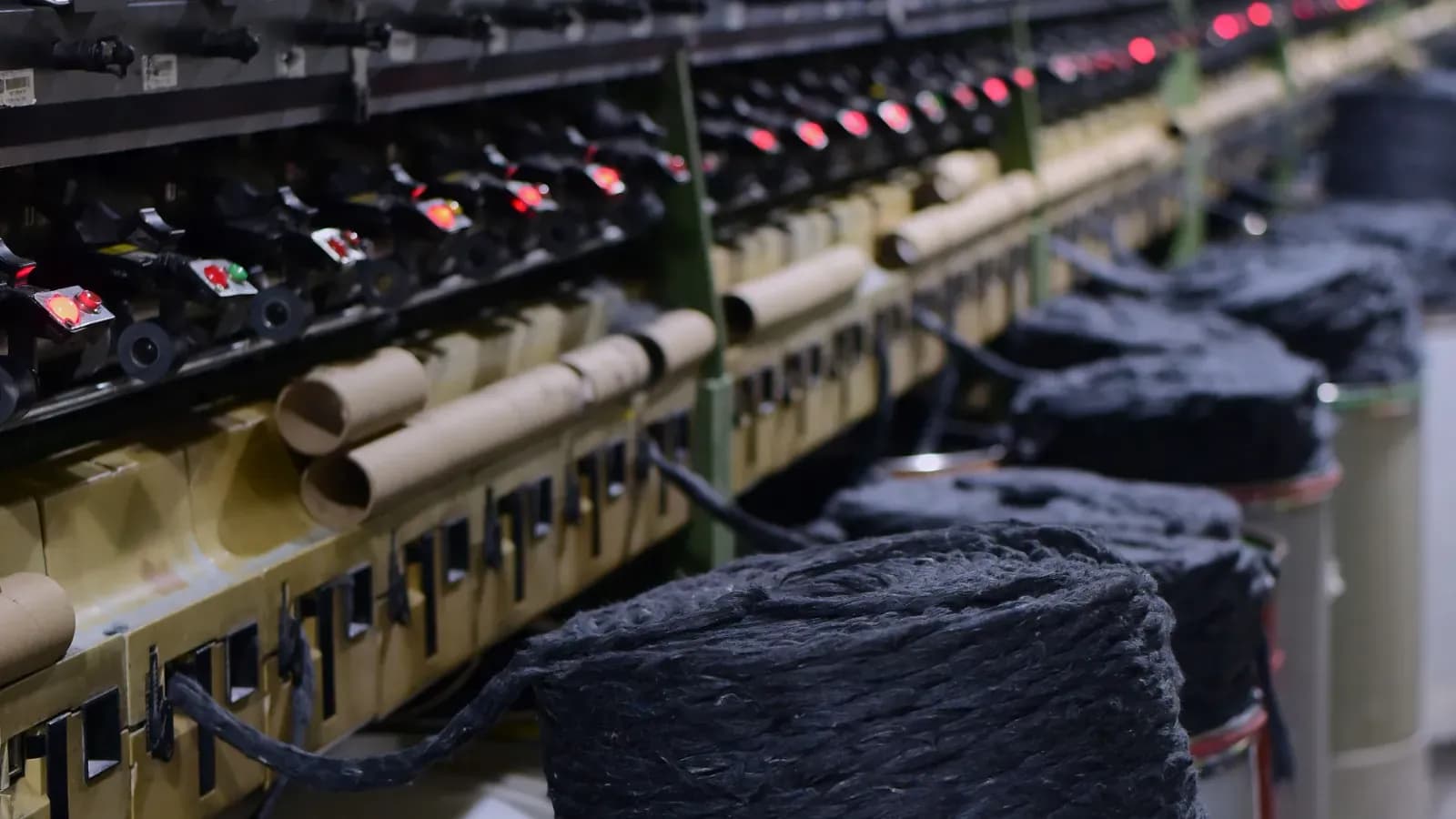
Textile Waste & Old Uniforms: This is where CIRCULAR SOLUTION excels. We take expired uniforms and fabric scraps through a full-cycle recycling process—shredding, spinning, weaving, and tailoring—into new Corporate Merchandise (e.g., polo shirts, bags, hats) without re-dyeing, significantly saving water and reducing carbon footprints.
Conclusion
Understanding waste categories is the first and most vital step in resource recovery. If your organization has an ESG policy and is looking for a way to manage textile waste or transform old uniforms into premium eco-friendly products with a story, CIRCULAR SOLUTION is ready to be your partner in end-to-end recycled fabric production.
Contact us to start your corporate recycling project today:
Tel: 083-997-9644
Email: info@sc-grand.com
Line Official: @circularoem