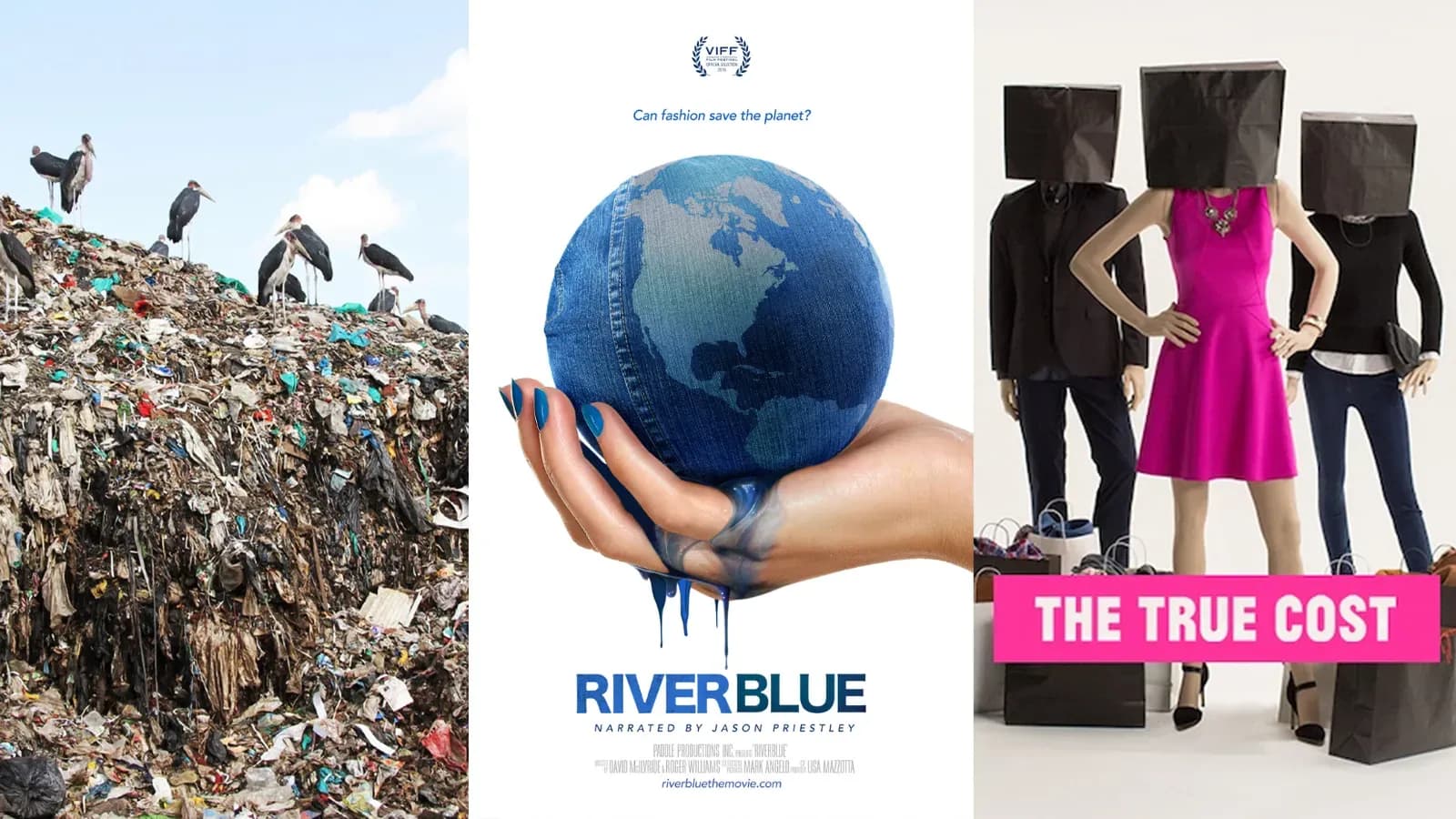
When we discuss the causes of Climate Change, we often think of exhaust fumes or heavy industry. But did you know that the clothes we wear every day—especially in the era of Fast Fashion—are major contributors to greenhouse gas emissions and a staggering amount of textile waste?
How Much CO2 Does the Fashion Industry Emit?
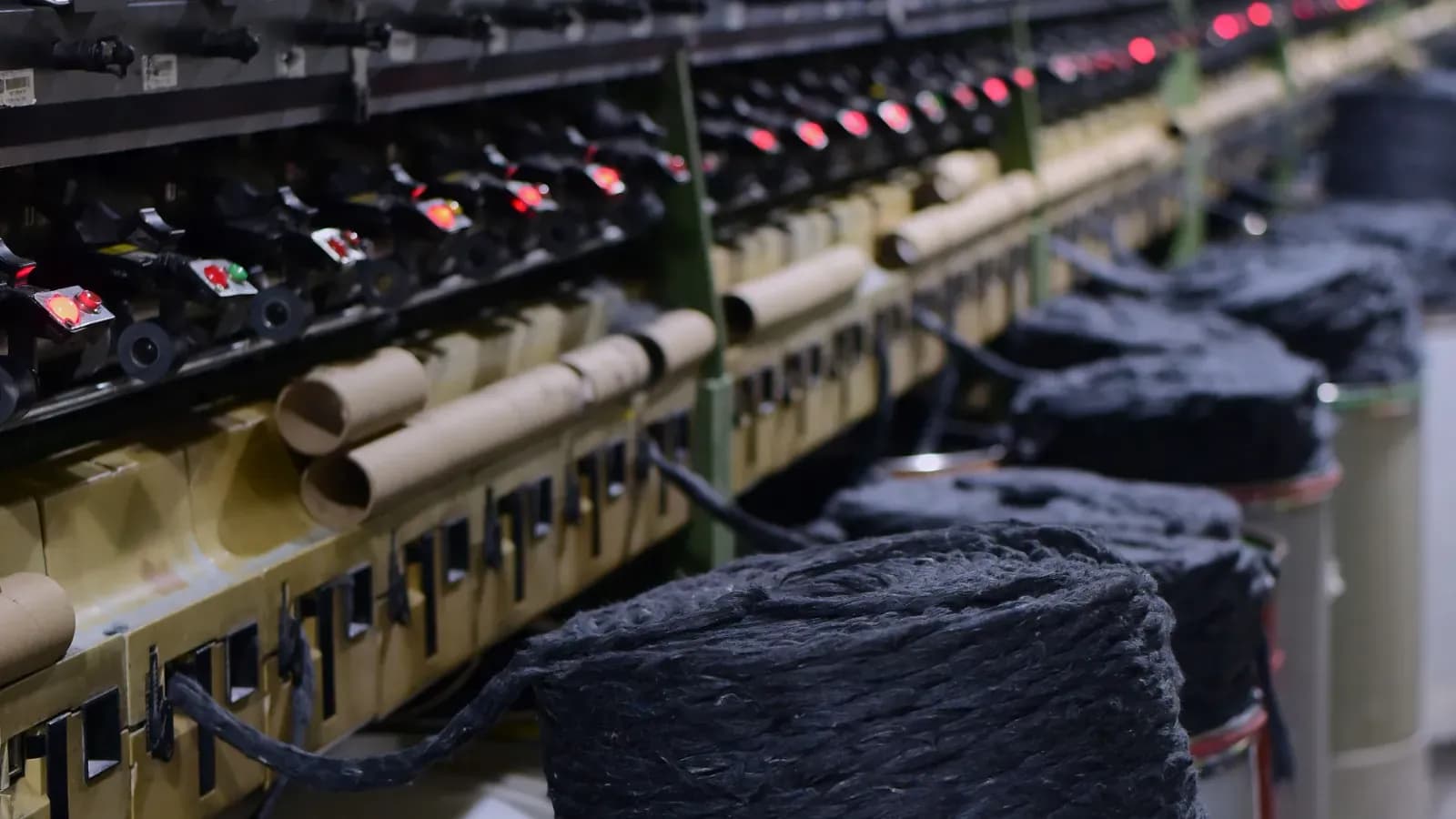
The fashion industry is responsible for 8-10% of global carbon emissions. This is higher than the emissions from all international flights and maritime shipping combined! The primary cause is the energy-intensive production process, from petroleum extraction for polyester to the "dyeing and finishing" stages, which consume massive amounts of heat, chemicals, and water.
The Fast Fashion Crisis: Shocking Global Statistics
The Fast Fashion model prioritizes high-volume, low-cost production and rapid trend cycles. This has shifted consumer behavior, leading to clothes being discarded after only a few wears:
92 Million Tons per Year: Global textile waste reaches approximately 92 million tons annually.
The "Every Second" Rule: Every second, the equivalent of one garbage truck of textiles is landfilled or burned.
Less than 1% Recycled: Most clothing ends up in incinerators or landfills; less than 1% is recycled back into new clothing fibers.
Water Consumption: Producing just one cotton T-shirt requires 2,700 liters of fresh water, equivalent to what one person drinks over 900 days.
Impact on Climate Change
Discarded clothing in landfills doesn't just sit there; it actively harms the planet:
Methane Emissions: Natural fibers (like cotton or leather) release methane—a potent greenhouse gas—as they decompose in landfills.
Microplastics: Synthetic fibers (like polyester) shed microfibers during washing and degradation, contaminating our oceans.
Incineration Pollution: Burning unsold stock releases toxic gases and CO2 directly back into the atmosphere.
From Linear to Circular Fashion: The Industry Solution
To solve this, we must shift from a Linear Economy (Take-Make-Dispose) to Circular Fashion. Modern brands must focus on:
Designing durable, long-lasting clothing.
Using eco-friendly or renewable materials.
Implementing Textile-to-Textile recycling to reduce reliance on virgin resources.
Transform Fashion Waste into Opportunity with CIRCULAR SOLUTION
If your brand or organization is facing issues with textile waste, fabric scraps, or deadstock, CIRCULAR SOLUTION is your partner in turning these problems into new products.
Our unique recycling process eliminates the re-dyeing stage, removing the most polluting and energy-hungry step in textile manufacturing. This allows you to:
Save massive amounts of water.
drastically reduce CO2 emissions compared to virgin fabric production.
Receive an Impact Report to proudly communicate your environmental achievements to consumers.
Consult us today to transform your textile waste into recycled fabrics and new collections:
Tel: 083-997-9644
Email: info@sc-grand.com
Line Official: @circularoem
Reference :
UN Environment Programme (UNEP): อุตสาหกรรมแฟชั่นปล่อยก๊าซคาร์บอน 8-10% ของโลก และใช้ทรัพยากรน้ำมหาศาล
United Nations (UN News): วิกฤตขยะสิ่งทอ 92 ล้านตันต่อปี และการทิ้งเสื้อผ้าเทียบเท่า 1 รถบรรทุกขยะในทุกๆ 1 วินาที
Ellen MacArthur Foundation: มีเสื้อผ้าไม่ถึง 1% ที่ถูกนำมารีไซเคิลกลับเป็นเสื้อผ้าใหม่ (Textile-to-Textile)
World Wildlife Fund (WWF) / WRI: เสื้อยืดผ้าฝ้าย 1 ตัว ใช้น้ำ 2,700 ลิตร (เทียบเท่าน้ำดื่ม 2 ปีครึ่ง)