What is Recycling? Meaning and Principles
In an era of depleting natural resources, Recycling has become a critical agenda for both individuals and businesses. But what does it truly mean?
Recycling is the process of taking used materials or waste and subjecting them to industrial processing (such as melting, crushing, or shredding) to change their physical state back into raw materials. These materials are then used to manufacture entirely new products. This creates a Circular Economy that reduces landfill waste, minimizes the extraction of virgin materials, and lowers greenhouse gas emissions.
The Recycling Process: How It Works
While different materials require specific handling, the general process consists of 3 main stages:
Collection & Sorting: Gathering waste and separating it by type, color, or material to prevent contamination.
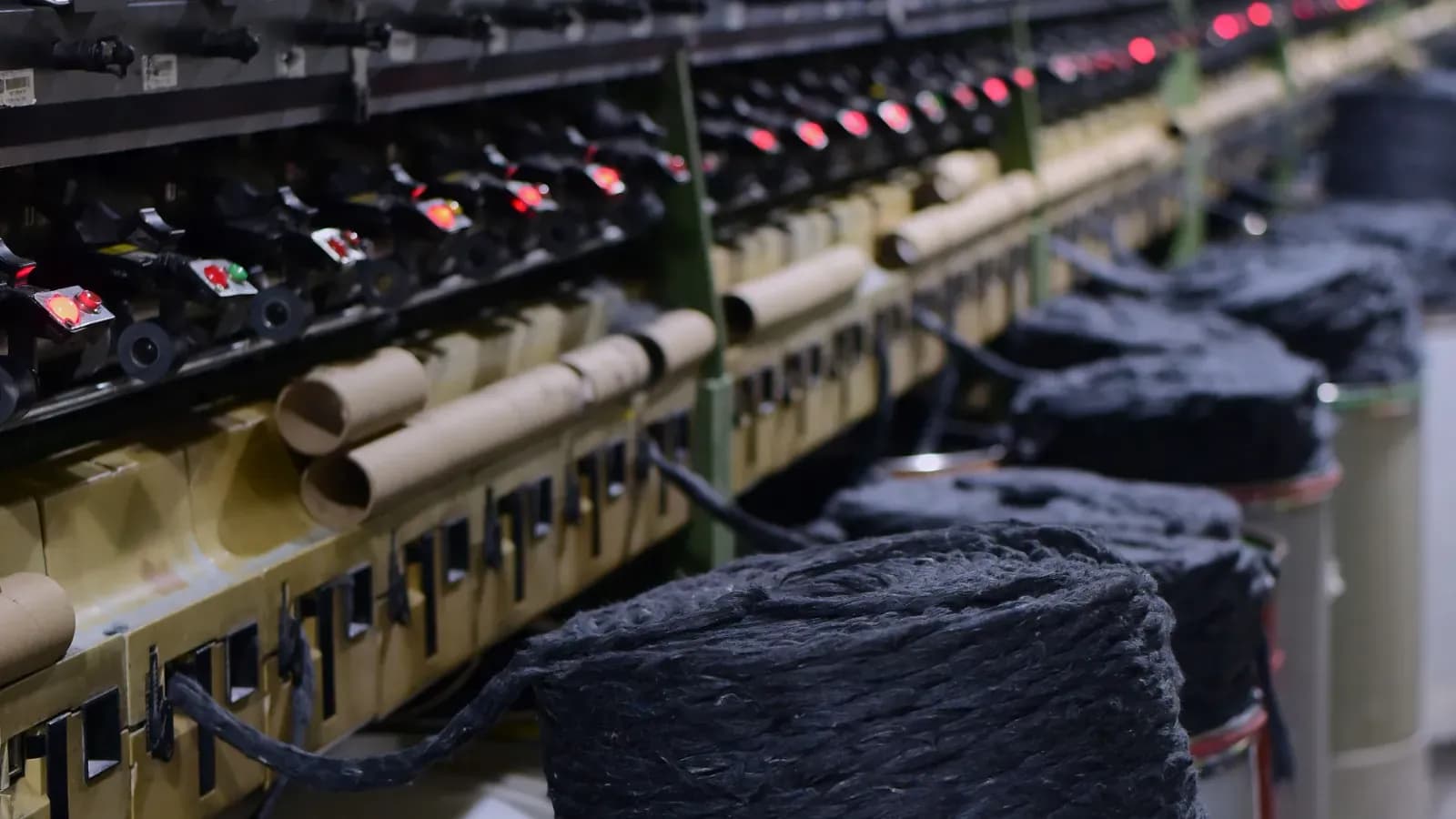
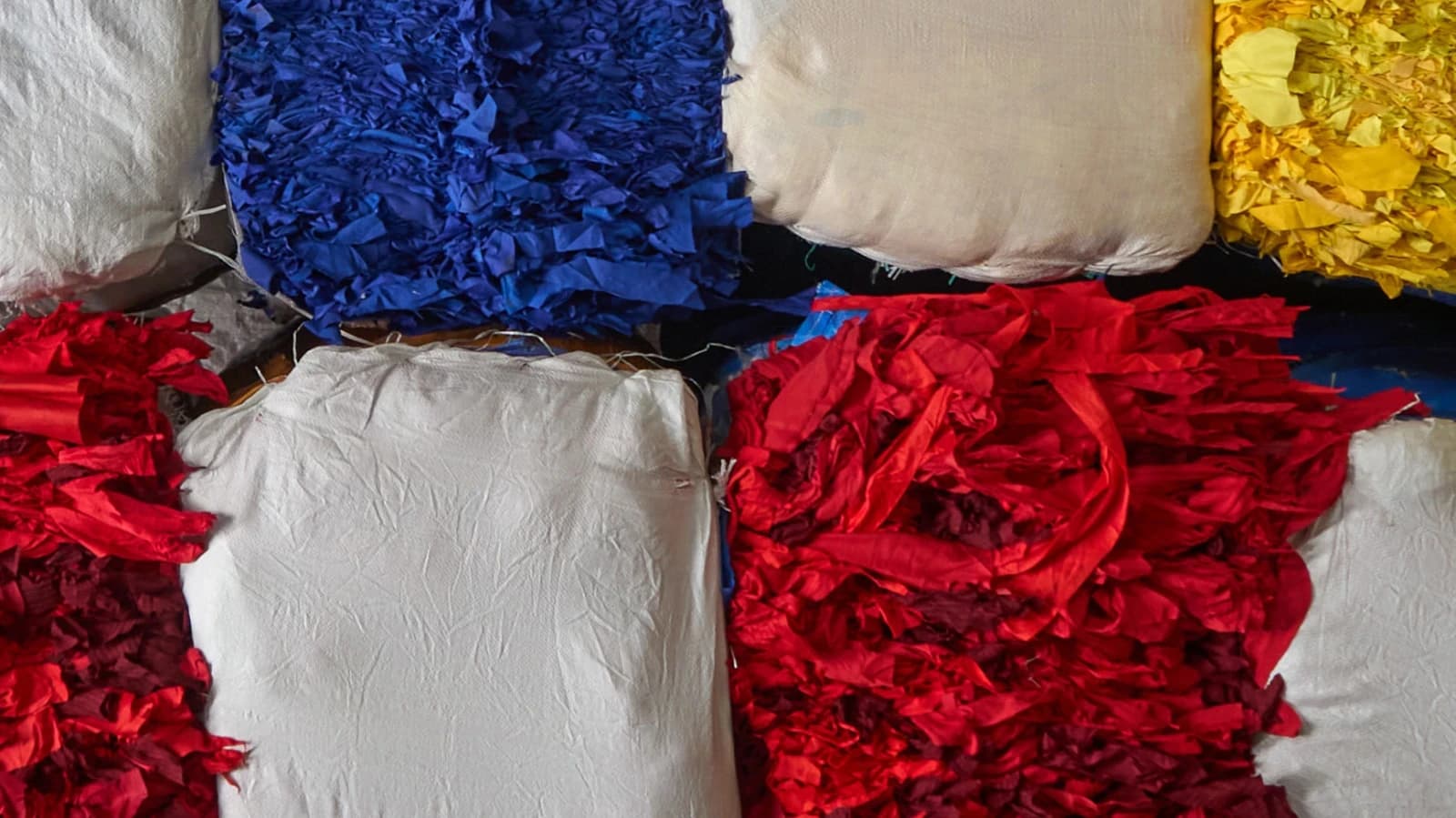
Processing & Cleaning: Cleaned waste is processed into a usable form—plastics are turned into flakes, glass is crushed, and textile waste is shredded back into fibers.
Manufacturing: These recycled fibers or materials are spun into new yarns or molded into new goods.
10 Common Types of Recyclable Waste
Many items around us can be recycled if sorted correctly:
Plastics (PET bottles, HDPE containers)
Paper (Cardboard, office paper)
Glass (Bottles, jars)
Aluminum & Metals (Soda cans, scrap metal)
Textiles & Garments (Scrap fabric, old uniforms)
E-Waste (Phones, batteries)
Rubber (Old tires)
Tetra Paks (Milk and juice cartons)
Wood (Pallets, old furniture)
Used Cooking Oil (For biodiesel production)
Recycle vs. Reuse vs. Upcycle: What’s the Difference?
Reuse: Using an item again in its original form (e.g., refilling a glass jar).
Recycle: Breaking down the material's structure via industrial means to make something new.
Upcycle: Redesigning waste into a higher-value product without destroying its original structure (e.g., turning old banners into fashion bags).
Sustainability Solutions for Organizations
For companies looking to manage waste—especially textile waste and old employee uniforms—partnering with an expert is key.
CIRCULAR SOLUTION offers a One-Stop Service. We collect your old uniforms, process them through international recycling standards, and manufacture them into new Corporate Merchandise. This helps your organization achieve tangible and measurable ESG goals.